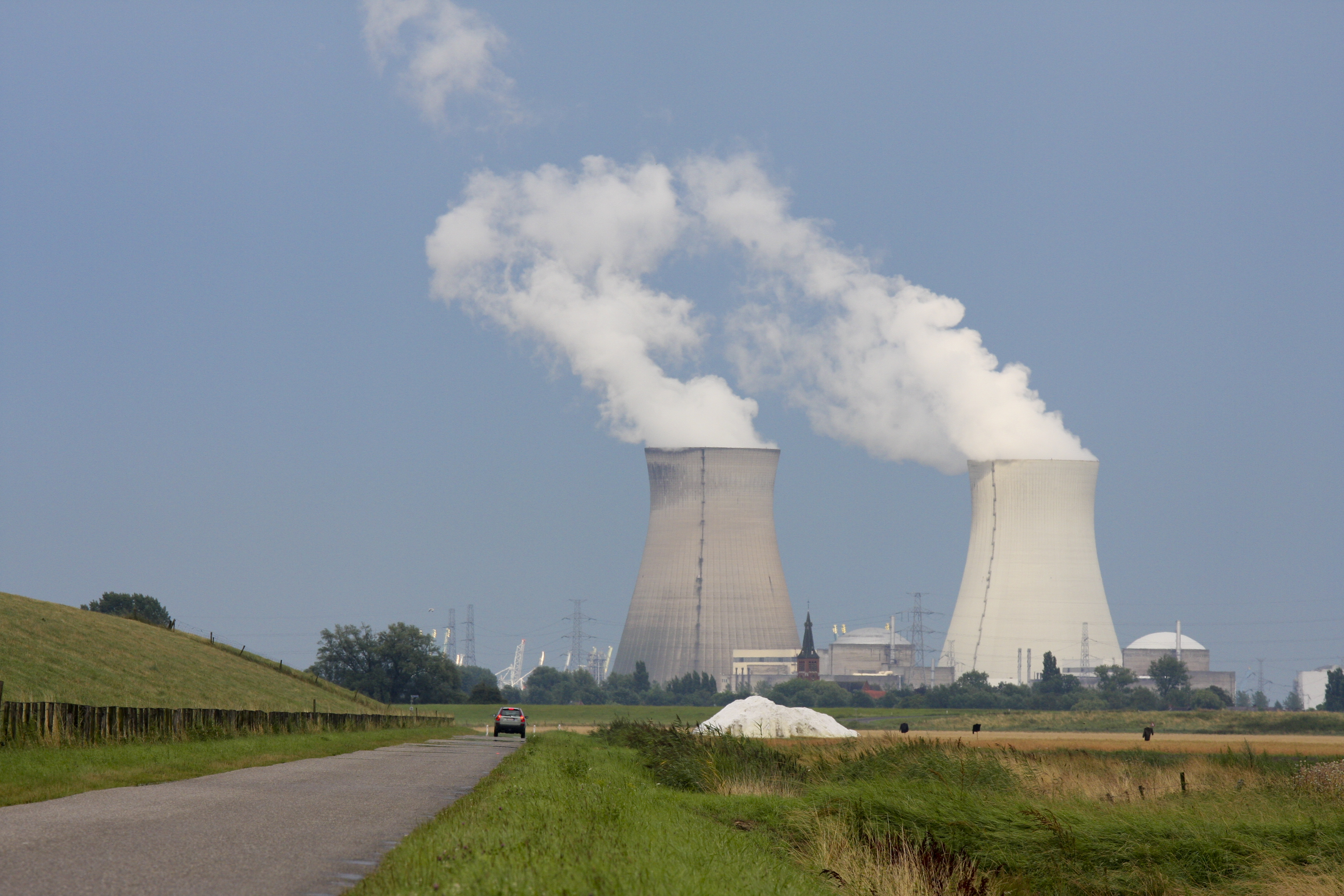
Six key moments in radiation research during the past 50 years
1962
Peak in atmospheric nuclear tests
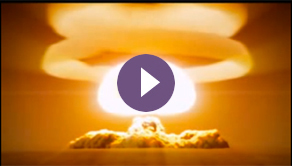
The number of atmospheric nuclear weapon tests and the associated radioactive fall-out peaked in 1962.
Two hundred and fifty atmospheric nuclear tests were performed in one and a half years. The largest device exploded was a 50 megaton Soviet hydrogen bomb, with a power equal to more than 3000 times the bomb dropped on Hiroshima. The EURATOM Treaty had been signed a few years before, in 1957. This obliged the Member States of the European Economic Community, the precursor of the EU, to measure radiation levels in food and the environment and to pass the data obtained in this way on to their citizens.
The EURATOM monitoring programme that was started up at that time is still running today. Radiation levels in the air did not fall until 1965, two years after the signing of the Partial Test Ban Treaty (1963), which prohibited atmospheric nuclear testing. Radioactive fall-out persists in the air long after an atmospheric nuclear test has been conducted, leading to contamination of the soil and food for many years thereafter.
1984
The first Dutch radiation map
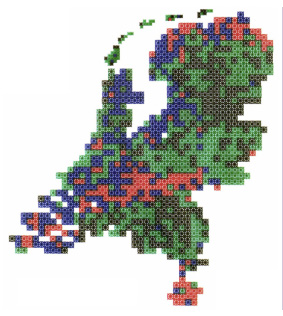
Natural background radiation levels in the Netherlands were first mapped in 1984.
This radiation map was based on hundreds of radiation measurements performed throughout the country. Dynamic data became available in the 1990s, when the National Radiation Monitoring Network became operational. These data gave insights into the natural processes responsible for variations in background radiation.
The development of GIS techniques allowing radiation levels to be linked to soil types round about 1996 yielded a greatly improved picture of the spatial distribution of background radiation levels in the Netherlands.
1986
Chernobyl nuclear disaster
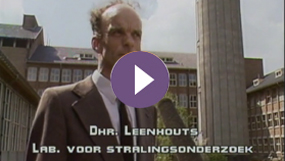
The explosion in the former Soviet Union nuclear power plant at Chernobyl was the worst nuclear disaster to date. The explosion occured during a systems test that went wrong. LSO played an important role in dealing with the consequences of this disaster in the Netherlands.
The Chernobyl disaster led to the formulation of the Dutch National Plan for Nuclear Emergency Preparedness (NPK) in 1989. RIVM was given an important role within the framework of the NPK, in particular in connection with the construction and management of the National Radiation Monitoring Network, the Information and Documentation Centre for Nuclear Emergency Preparedness, and a number of new mobile surveillance units.
ORIVM still plays an important advisory role in connection with possible nuclear accidents. It continues to make use of the necessary monitoring networks, information systems and mobile surveillance units. These technical facilities are constantly updated to ensure that they are always state-of-the-art.
1999
Parliamentary inquiry into the Bijlmermeer aviation disaster
In 1998 RIVM carried out a study of the exposure of bystanders to various hazardous substances emitted after the crash of an El Al Boeing 747 cargo plane in the Bijlmermeer district of Amsterdam in 1992. One year later, this study was evaluated during a parliamentary inquiry into this disaster.
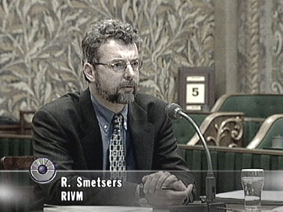
Ronald Smetsers, the head of LSO at that time, presented the results of this study to the parliamentary inquiry commission. Particular attention was paid to the fact that the plane had been carrying a large amount of of depleted uranium, of which 150 kg was lost and possibly burnt during the crash, and to the possible health hazards this might have caused.
There was considerable social concern and criticism of the role played by the authorities during and after the crash. Calculations showed that the risks to bystanders and rescue workers were minimal, but this did not allay all the fears.
2006
Poisoning of Alexander Litvinenko with polonium-210
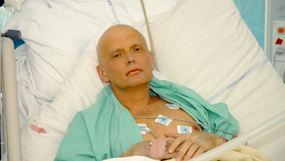
The Russian Alexander Litvinenko died in a London hospital in November 2006, three weeks after he had been admitted with symptoms of poisoning by an unknown substance.
The cause of death was initially a mystery, but an autopsy revealed that he had been exposed to the radioactive substance polonium-210. In the weeks that followed, RIVM was called in to investigate whether Dutch guests in the hotel where Litvinenko had been staying at the time of the attack had also been exposed to polonium-210. Traces of this substance were indeed found in a number of persons, but they were fortunately too low to cause any harm.
2011
Fukushima nuclear disaster
The Fukushima Daiichi nuclear disaster was a series of equipment failures, nuclear meltdowns and releases of radioactive material at the Fukushima 1 Nuclear Power Plant in Japan after a heavy earthquake and tsunami on 11 March 2011. The video clip of the Dutch-language NOS News at 3.30 pm on 23 March 2011 gives more details.
This incident, the second in severity after the Chernobyl disaster , received extensive news coverage all over the world. Concerns were expressed in the Netherlands about the fate of Dutch citizens who where staying in Japan at the time of the incident, and even about effects that might be felt in the Netherlands, initially due to the possible risk of radioactive contamination of imported foodstuff, later when wind-borne radioactivity reached the country and after that when contaminated containers arrived in the port of Rotterdam.
RIVM carried out measurements, made model calculations and advised the ministries of Economic Affairs, Agriculture and Innovation (ELI), Foreign Affairs (BuZa), Infrastructure and the Environment (I&M) and Social Affairs and Employment (SZW) about the measures to be taken.