
A ban on cigarette filters could reduce the amount of microplastics in the environment, without any negative impact on smokers’ health. According to research by RIVM, there are no indications of additional environmental harm resulting from the absence of a filter.
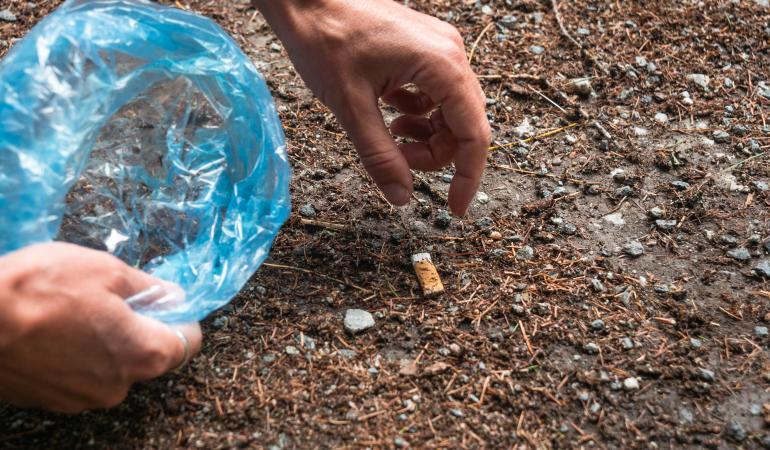
After smoking a filter cigarette, the cigarette butt is left behind. This butt consists of a cigarette filter, a small amount of tobacco, paper and ash. The filter is almost always made of cellulose acetate, a type of plastic. Because this substance decomposes only slowly, the filters remain in the environment for decades. At the same time, the filter offers no proven health benefit for smokers.
RIVM has mapped out the available information about substances released from cigarette butts, both with and without filters. Scientific literature describes little about differences in the environmental impact. However, studies do show that various hazardous substances are released from cigarette butts. These include nicotine, metals, microplastics, PAHs and pesticides. A ban on cigarette filters will reduce the amount of microplastics entering the environment from cigarette butts. Unfiltered cigarette butts contain around three times as much tobacco as butts with a filter. This level of increase is not expected to be sufficient to cause a demonstrable impact on the environment. Additional research could help to provide a clearer picture of these differences.
RIVM conducted this research at the request of the Ministry of Infrastructure and Water Management.