
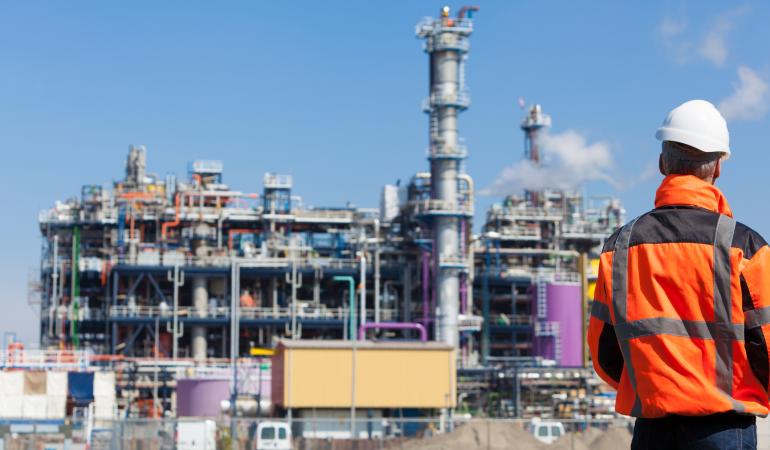
The Netherlands is establishing a new knowledge centre to help companies develop safe and sustainable chemical substances and products. The centre is a collaboration between RIVM, TNO, IenW and the (The Royal Association of the Dutch Chemical Industry). Its aim is to take health, the environment and sustainability into account from the earliest stage of designing substances and products. In this way, the centre aims to prevent society from facing new problem substances in the future, such as (Per- and polyfluoroalkyl substances).
Working together for better chemistry
The centre brings together knowledge and experience from government, research organisations and companies. It supports businesses across the entire chain, from producer to user. Companies can turn to the centre for information, advice and support with innovation. The centre also helps connect different parties and makes knowledge easier to find.
Safe and sustainable from the start
For many substances and products, risks to health and the environment are only considered at a later stage. The knowledge centre aims for this to happen already in the design phase. This approach is called Safe and Sustainable by Design (SSbD). By making choices for safe and sustainable solutions from the start, problems can be prevented later on.
From (Per- and polyfluoroalkyl substances) to better alternatives
An important example is the work on PFAS. These substances often serve a useful purpose, for example in batteries and textiles, but they can also be harmful to people and the environment. RIVM is building knowledge about possible alternatives and about how to develop them in a safe and sustainable way. This knowledge is developed and shared with companies through the knowledge centre.
RIVM works with companies and other organisations within the centre while remaining independent.
Links with Europe
The knowledge centre will become part of a European network of similar initiatives. Within this network, countries can share knowledge and experience. Because the chemical sector operates internationally, this cooperation is important. In the Netherlands, decisions will then be made about which topics will be given priority.