
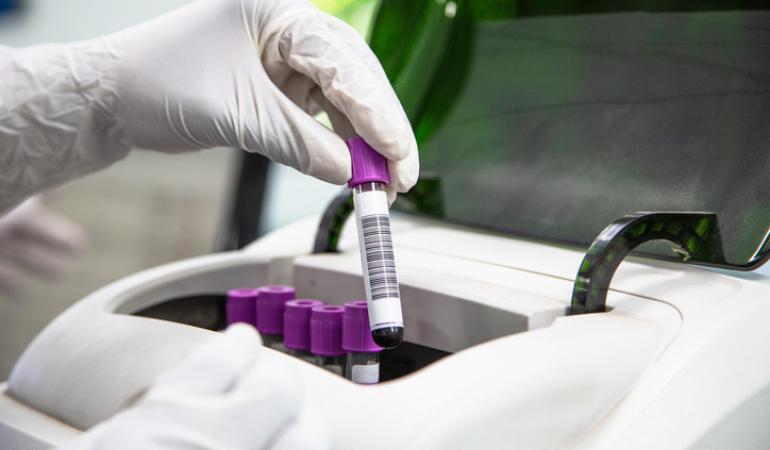
At the moment, there are 3 people in the Netherlands with symptoms who have been tested for the Andes virus, a variant of the hantavirus. Two test results are negative. The third test is still being analysed. These 3 individuals developed symptoms after they had contact on board an airplane with a person infected with the Andes virus. The Municipal Health Service (GGD) continues to monitor these individuals.
The other passengers will receive information from the GGD on what they should do. This depends on where they were sitting on the airplane and the extent of their contact with the person infected with the Andes virus.
If the passengers have had direct contact, the GGD will contact them by phone every day to monitor their health. Passengers who have had close contact are asked to monitor their symptoms themselves.
Risk to people in the Netherlands is very low
RIVM understands that people in the Netherlands have questions and concerns about the virus. However, RIVM emphasises that the chances of people being infected with the Andes virus are very small.
The Andes virus is spread mainly through contact with mice and rat droppings. The likelihood of this virus spreading from person to person is very small. This only happens if people have been in close contact over a longer period, for example within a household setting.
Intensive collaboration with various parties
RIVM works closely with, among others, municipal health services, the Dutch Ministry of Health, Welfare and Sport, the Ministry of Foreign Affairs, Erasmus Medical Centre, national authorities and international health organisations such as ECDC and WHO.