
RSV immunisation programme resumes
With autumn approaching, the RSV immunisation programme is resuming today, in which babies receive an injection as protection against RSV. This protects them from serious RSV infections, which are most prevalent in autumn and winter. Babies receiving an injection are 80% less likely to end up in hospital as a result of an RSV infection. The injection has been offered as part of the National Immunisation Programme to all babies up to the age of one since 2025.
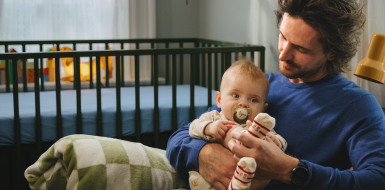
Significantly fewer babies in Dutch ICUs thanks to injection against RSV
Over the past few months, about three-quarters of infants in the Netherlands have had an injection against the respiratory syncytial virus (RSV). As a result, there have been significantly fewer babies admitted to children’s intensive care units (ICU). In the 2024-2025 season, a total of 178 infants had been admitted to ICU due to RSV infections by the start of February. In this season, there have been 43 infant ICU admissions for RSV so far. Since September 2025, an injection against RSV has been included in the National Immunisation Programme.
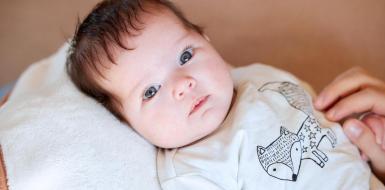
Injection against RSV now available
Starting today, babies can get an injection against the respiratory syncytial virus (RSV). The injection protects babies against severe illness resulting from the virus. The RSV antibody injection offers almost immediate protection, lasting about 6 months.

Protection against RSV for babies from September 2025
Starting in September 2025, babies can get an injection against RSV. The respiratory syncytial virus (RSV) can cause serious respiratory infections, especially in young babies. Between 1,500 and 3,000 babies end up in hospital every year as a result of RSV. The injection protects babies against severe illness resulting from the virus during their first year of life.

More people with RSV infections
More people in the Netherlands are infected with the respiratory syncytial virus (RSV). This virus is mainly seen in winter. Most adults with RSV only have a nasal cold. However, babies under 12 months can become very ill.

Respiratory infections now in season
It is October and seasonal respiratory infections are on the rise. In autumn and winter, there is an increase in people who are coughing and sneezing. Various viruses or bacteria can cause a respiratory infection.
