
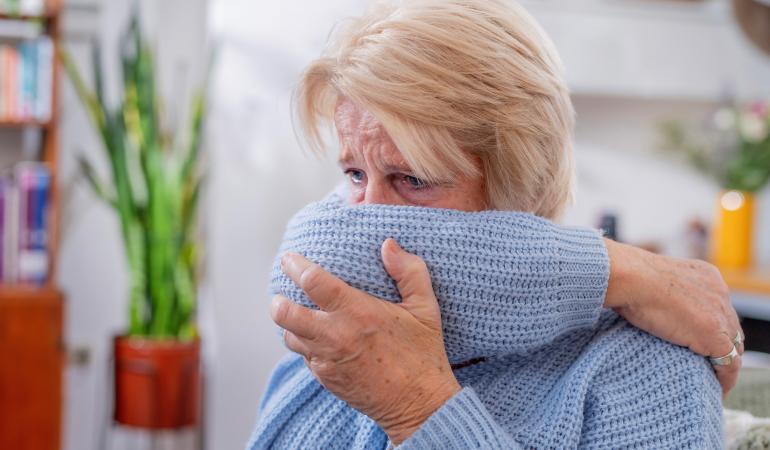
In autumn and winter, the number of people who cough, sneeze and sniffle often increases. This is the start of the respiratory infections season. Various pathogens, such as the flu virus (influenza), RS virus and coronavirus, can cause respiratory infections (RI). RIVM closely follows the development and spread of respiratory infections in the Netherlands. Next season, RIVM will be using a new approach.
Since the pandemic, we have an additional pathogen of respiratory infections to monitor, the coronavirus. We also have more sources of information on respiratory infections since the pandemic. By systematically looking at all sources in unison, we get a better overall picture of the spread of respiratory infections in the Netherlands.
Faster detection
With the new approach, we can detect increases in the number of respiratory infections more quickly. As a result, we can alert healthcare professionals earlier, so they can prepare for increased pressure on healthcare services. And we can inform people in time how to minimise the spread of respiratory infections and thus better protect high-risk populations.
Levels of disease burden
We now use five levels of disease burden for infectious diseases, ranging from very low to very high. The infection disease burden indicates how many people are ill from a virus or other pathogen that causes respiratory infections, such as the influenza virus, RS virus or coronavirus. With a low infectious disease burden, very few people are ill due to such a virus. With a high infectious disease burden, there are many.
The level of infectious disease burden is determined by:
- how many people have respiratory problems or are ill;
- which pathogens are circulating, and how quickly the number of people with these pathogens is increasing.
RIVM publishes weekly reports on the current level of disease burden and the state of respiratory infections on the website (in Dutch).
What can people do themselves?
Respiratory infections are not always preventable. However, people can reduce the risk of becoming ill or passing on the pathogen to others. The following advice will always help:
- Wash your hands often and thoroughly with soap and water.
- Cough and sneeze into your elbow.
- Use paper tissues, throw them away immediately and wash your hands.
- Ensure proper ventilation in indoor areas.
- Vaccination prevents infection or reduces the risk of you becoming seriously ill. The advice is to get vaccinated when you are eligible (e.g. vaccinations for influenza, coronavirus or pneumococcal disease).
Recommendations if you have symptoms
If you have any symptoms that are associated with a respiratory infection, such as coughing, sore throat, fever or common cold, please follow these recommendations:
- Stay home if you are ill.
- If you are not ill but have mild symptoms, work from home if possible.
- Keep your distance from others.
- Avoid contact with people who could become seriously ill from a respiratory infection.
- If you cannot avoid contact (for example, because you provide informal care), please wear a facemask that covers your mouth and nose.
For more information, please visit: Respiratory infections | RIVM.