

SARS-CoV-2 is the coronavirus that causes the disease COVID-19. The symptoms often resemble the common cold at first. Some people do not become ill at all, or are only mildly ill from the virus. Others may become seriously ill and sometimes even die from the disease. Some people keep having symptoms for a long time after having COVID-19. If their symptoms persist for longer than 3 months, it is called post-COVID.
Read more about COVID-19 vaccination.
There are various types of coronaviruses. The coronavirus that causes COVID-19 is officially called SARS-CoV-2. This virus has a number of different variants and sub-variants. More information about the different variants and related research is available on the RIVM page about the SARS-CoV-2 variants.
Be careful with people in fragile health who can become seriously ill from a respiratory infection. If necessary, wear a mouth-nose mask if you have symptoms and cannot keep your distance.
What are the symptoms of COVID-19?
Possible symptoms of COVID-19 include:
- Cold symptoms (such as a nasal cold, runny nose, sneezing, sore throat)
- Coughing
- Shortness of breath
- Elevated temperature or fever
- Sudden loss of smell and/or taste (without nasal congestion)
People with COVID-19 sometimes also have other symptoms, such as:
- Tiredness
- General aches and pains
- Headache
- Muscle aches
- Dizziness
- Irritability/confusion
- Abdominal pain
- Weight loss / loss of appetite
- Diarrhoea
- Vomiting/nausea
- Eye pain
- Eye infection (conjunctivitis)
- Skin abnormalities (such as a rash)
- Feeling unwell
The disease can cause respiratory symptoms and fever, and in severe cases it leads to breathing problems.
What should I do if I have symptoms?
If you have symptoms like these, you may have COVID-19 or another respiratory infection. It is important to avoid passing a possible infection to others. People in vulnerable health are more likely to become seriously ill from COVID-19 or other respiratory infections. For that reason, follow these recommendations if you have symptoms:
Recommendations if you have symptoms
You cannot completely avoid getting a respiratory infection. These general recommendations can help you reduce the risk of passing it to others:
- Are you ill? Then stay home.
- If you are not ill, but do have symptoms, then work from home if you can. Consult your employer if necessary.
- Cough and sneeze into your elbow.
- Keep your distance from others.
- Avoid contact with people who could become seriously ill from a respiratory infection.
- Impossible to avoid contact (for example because you provide informal care)? Wear a face mask that covers the mouth and nose.
- Good hygiene helps prevent transmission and can help you from becoming ill yourself. Wash your hands often and thoroughly with soap and water, and ventilate indoor spaces.
Vaccination
Vaccines are available for some of the viruses and bacteria that can cause respiratory infections. Examples in the Netherlands include the annual vaccination against seasonal flu, the vaccination against COVID-19, the vaccination against pneumococcal disease or the vaccination against whooping cough. These vaccines protect people from serious illness. People who have a higher risk of becoming seriously ill from a respiratory illness, such as flu, may be invited to get a vaccination. If you are in that group and receive an invitation to be vaccinated, it is important for you to get that vaccination.
Who can become very ill from COVID-19?
People who are aged 60 years or older, people who have underlying health conditions, or people who have impaired immunity have a higher risk of serious illness from COVID-19. This applies even if they have been vaccinated or had COVID-19 before. Their immunity to the virus wanes over time. More information about these groups is available on the RIVM page about COVID-19 risk groups.
How does COVID-19 spread?
The virus is spread by droplets. They are produced by coughing, sneezing, singing, talking and so on. During activities that produce droplets, the virus is released into the air. If other people inhale those droplets, they may become infected with the virus. This could also happen if they get the droplets in their mouth, nose or eyes, for example via their hands.
You are contagious 1 to 2 days before you develop symptoms. You are most contagious in the first few days after you develop symptoms. This subsides quickly and you are usually no longer contagious after 5 days. If you are coughing and sneezing, you are more contagious than if you do not have those symptoms.
How can I prevent COVID-19?
Good hygiene helps prevent COVID-19 from spreading. It can also help keep you from getting sick yourself. Wash your hands often and thoroughly with soap and water, and ventilate indoor spaces.
There is a vaccine against COVID-19. COVID-19 vaccination does not fully protect you against getting an infection. It does offer effective protection against severe illness resulting from a SARS-CoV-2 infection. That is why the COVID-19 vaccination is available to people who can become very ill from the virus. The vaccination also lowers your risk of passing the virus to another person. More information is available on the RIVM page about COVID-19 vaccination.
Using the COVID-19 self-test
Using a self-test is not required. If you think that you might have COVID-19, you can check by using a COVID-19 self-test, if you want to. COVID-19 self-tests are sold in various retail locations, including the chemist or pharmacy. The package of the COVID-19 self-test is marked with the expiry date (how long it can still be used). This is usually several months to one year. If a self-test is past its expiry date, it is less reliable. That means that the test result is less certain. In that case, it is better to buy a new self-test.
The COVID-19 self-test measures the virus that is present in your nose at that time. Sometimes the virus could still be present, but in very small amounts. At that point, you could still be contagious, even if the test shows a negative result. For that reason, it is important not to just rely on the test result, but also to be alert to how you are feeling. As long as you still have symptoms, please keep following the recommendations for respiratory symptoms.
Is there any treatment for COVID-19?
Patients who are very ill can be treated with medicines in hospital. These medicines work against the virus, counteract inflammation caused by the virus, or help prevent the formation of blood clots (thrombosis or pulmonary embolism).
There are no medicines yet that can cure someone of COVID-19 very quickly. The body has to do most of the work itself. Medicines can support the body in this process.
How long will it take for me to recover after COVID-19?
The amount of time it takes to recover from COVID-19 can vary from person to person. Some people recover within a few days. Others take a longer time to return to their former health status. There are also some people who have persistent symptoms for a long time. People with COVID-19 who have been admitted to hospital generally need more time to recover. How long recovery takes also depends on whether they are healthy other than the SARS-CoV-2 infection.
Some people have long-term symptoms after a SARS-CoV-2 infection. This is referred to as post-COVID or Long COVID. These symptoms can persist for weeks or months, sometimes even years.
Can I get COVID-19 more than once?
Yes, you can get COVID-19 multiple times. People who are reinfected generally seem less likely to become seriously ill. However, they can still infect others. Most people build up immunity to the virus after infection. It is not yet certain how long immunity lasts, or how effective that protection is against different variants of the coronavirus SARS-CoV-2.
How common is COVID-19 in the Netherlands?
COVID-19 is no longer a pandemic, but the coronavirus SARS-CoV-2 is still present. Since the virus keeps changing slowly over time, it gradually evades the immunity that people built up. That is why it sometimes causes higher numbers of infections every once in a while.
The weekly COVID-19 updates present an overview of the current situation in the Netherlands. In these updates, RIVM keeps track of the levels of virus particles in wastewater, and how many people participating in the ‘Infection Radar’ survey have tested positive for SARS-CoV-2.
Facts and figures
RIVM will continue monitoring the spread of the SARS-CoV-2 virus. Read more about the current COVID-19 figures.
Research
An overview of all the ongoing and concluded research at RIVM related to COVID-19 and the coronavirus SARS-CoV-2.
Privacy
Information on why vaccination data is registered and how your privacy is ensured.
News about COVID-19 and vaccination
New autumn 2026 COVID-19 vaccination round begins
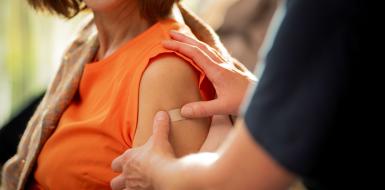
More than 2.2 million COVID-19 vaccinations administered in the 2025 autumn round

New SARS-CoV-2 variant causes hardly any difference in symptoms

COVID-19 vaccination: invitations being sent to risk groups 2025

New COVID-19 vaccination round for risk groups this autumn

New COVID-19 vaccination round in autumn 2025

Other coronaviruses
Coronaviruses mostly affect the respiratory system (nose, mouth and airways).
Besides SARS-CoV-2, other examples of coronaviruses are Middle East Respiratory Syndrome (MERS-CoV) and Severe Acute Respiratory Syndrome (SARS-CoV1).